Year: 2026

  • The Echoing Canyons of the Southwest: Unveiling the Magic of Sedona

    The Echoing Canyons of the Southwest: Unveiling the Magic of Sedona

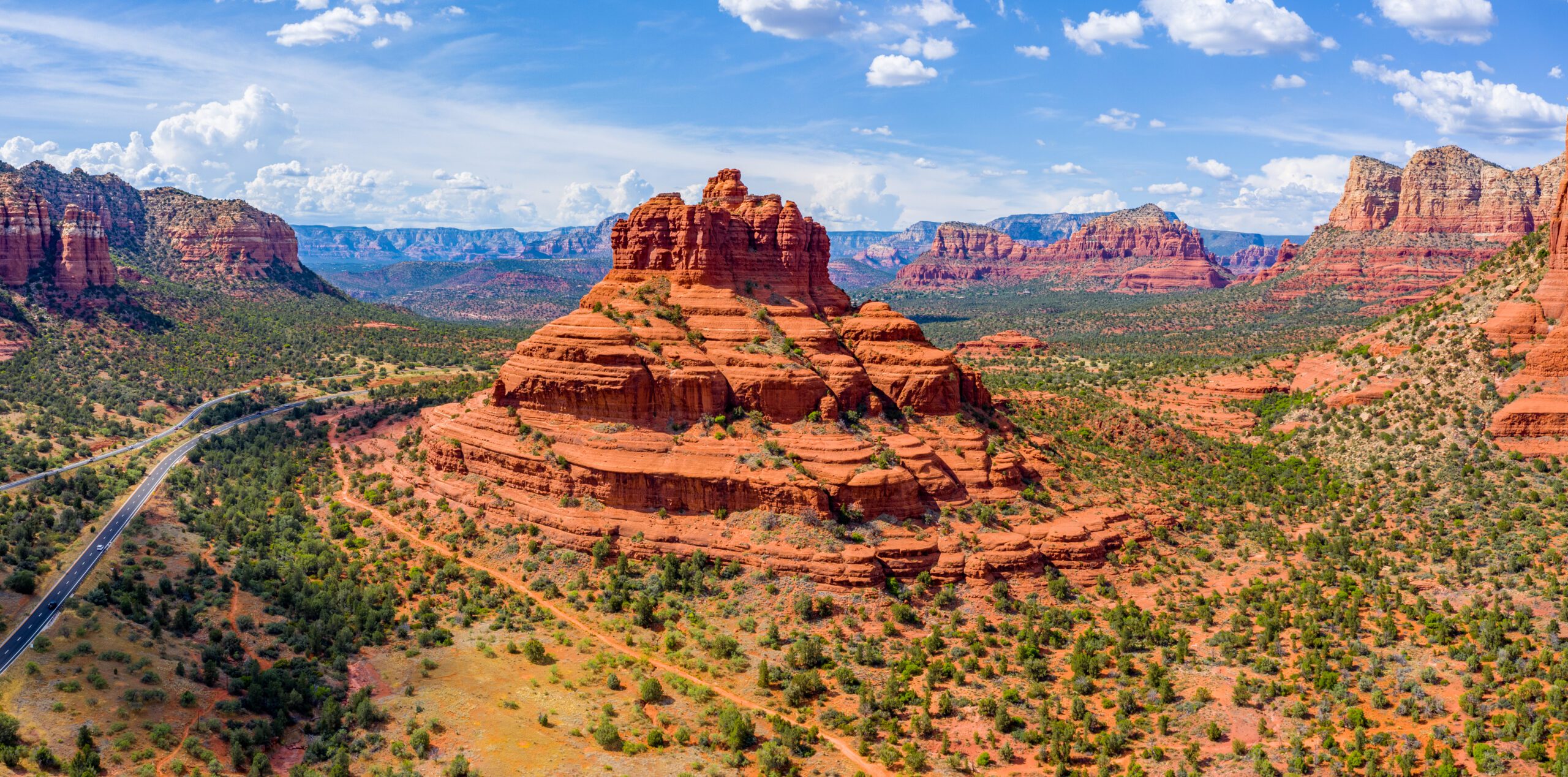
    While the immense grandeur of the Grand Canyon naturally draws the majority of international visitors to the state of Arizona, there is a vibrant high-desert town situated just a short drive to the south that offers a completely different encounter with the American wilderness. Surrounded by nearly two million acres of national forest land, Sedona stands as a masterpiece of natural architecture, world-renowned for its brilliant red rock sandstone formations that glow with an intense crimson and orange hue during the twilight hours. For the adventurous traveller seeking a journey that combines physical challenge with deep emotional renewal, this geological wonderland provides a perfect setting where towering stone spires, hidden desert oases, and a legendary reputation for tranquility meet.

    The visual landscape of the region is defined by a sense of ancient scale and dramatic colour contrasts. Millions of years of erosion have sculpted the local landscape into a series of distinctive monolithic formations, such as Cathedral Rock and Bell Rock, which rise like natural fortresses above the desert floor. Exploring the area involves navigating an extensive network of trails that wind through rugged canyons and across elevated plateaus, offering panoramic views that stretch for miles under a brilliant blue desert sky. The dry air is constantly filled with the crisp scent of wild juniper and pinon pine, creating an invigorating sensory experience that makes every mile of hiking or mountain biking feel uniquely rewarding and deeply connected to the earth.

    Environmental protection and a profound respect for the delicate desert ecosystem are central to the identity of the local community. The town has long been a haven for artists, conservationists, and wellness practitioners who are drawn to the region’s famous vortex sites—areas of subtle, natural earth energy that are believed to enhance meditation and personal reflection. Rather than developing the canyons into high-density commercial zones, the community has strictly preserved the natural landscape, ensuring that hiking trails remain pristine and that strict light-pollution laws are enforced to protect the clarity of the night sky, allowing visitors to enjoy spectacular views of the Milky Way.

    The culinary and cultural experiences of the high desert are deeply influenced by Southwestern traditions, providing a rich and comforting end to a day spent exploring the wilderness. The local dining scene celebrates the fusion of Native American, Mexican, and contemporary American flavours, offering dishes that feature indigenous ingredients like prickly pear cactus, mesquite flour, and smoked chillies. Visitors can relax on open-air terraces as the canyon walls change colour in the setting sun, enjoying slow-cooked bison tamales, fresh avocado salads, and locally brewed craft beers infused with desert herbs, supporting an independent hospitality network that values quality and regional pride.

    Ultimately, a journey into this crimson landscape serves as a powerful reminder of the transformative power of nature and the rewards of purposeful exploration. By stepping into the quiet canyons and embracing the slower, open rhythm of the desert, travellers are given the rare opportunity to completely disconnect from the noise of modern life and discover a profound sense of clarity. The memories forged among the red rocks—whether it is the achievement of reaching a hidden ridge at sunrise or the peace of watching the stars emerge over the desert floor—remain as a lasting source of inspiration. In a world that often demands constant speed, this desert sanctuary stands as a timeless testament to the beauty of the natural world and the enduring human need for quiet, majestic spaces.

  • The Whispering Highlands of Japan: Discovering the Spiritual Solitude of Mount Koya

    The Whispering Highlands of Japan: Discovering the Spiritual Solitude of Mount Koya

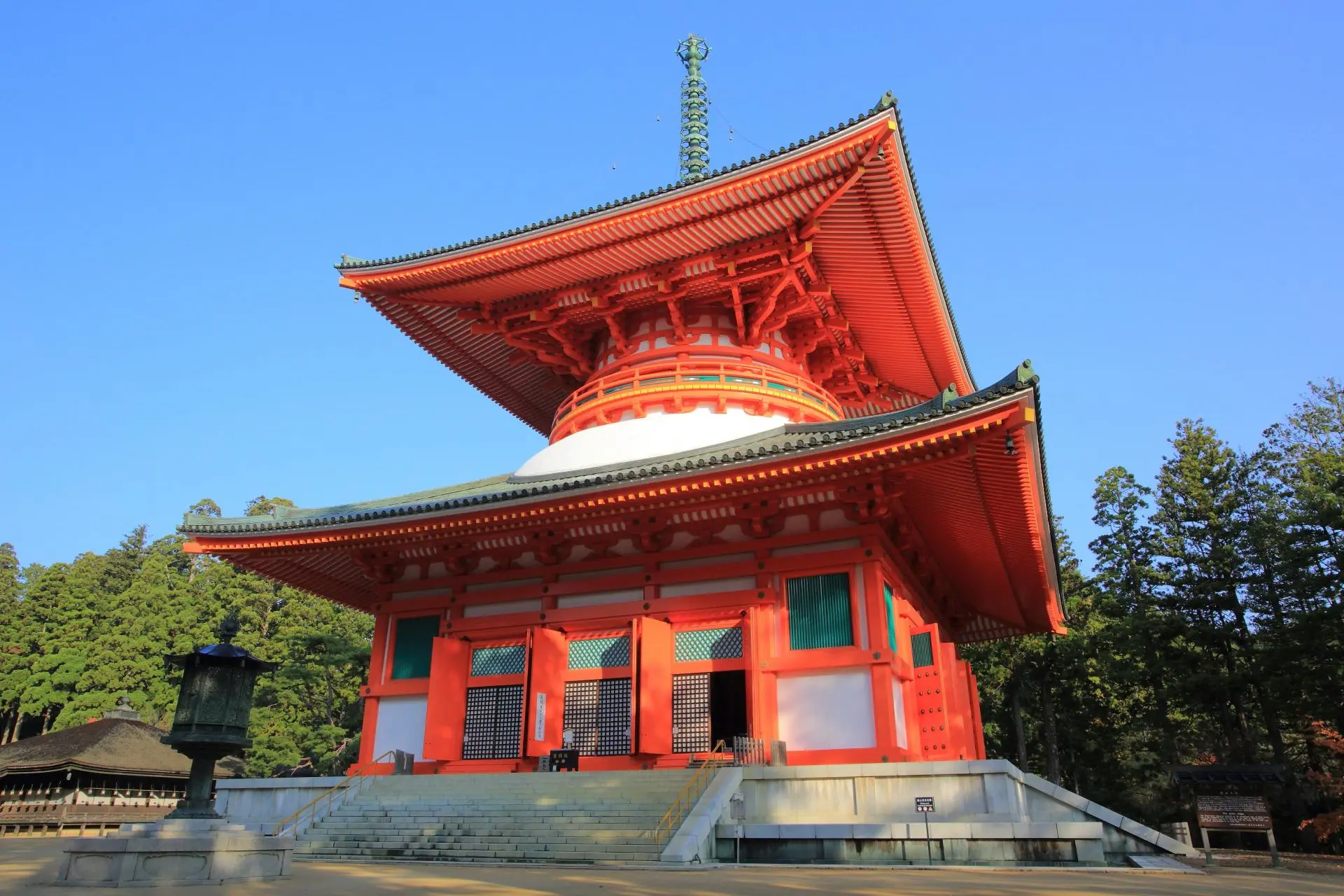
    While the neon-lit skyscrapers of Tokyo and the historic geisha districts of Kyoto naturally form the backbone of most travel itineraries, there is a sacred mountain plateau in Wakayama Prefecture that offers a profound shift in perspective. Situated high above the clouds, surrounded by eight majestic mountain peaks that resemble the petals of a lotus flower, Mount Koya stands as the spiritual heart of Shingon Buddhism. Founded in the ninth century by the revered monk Kobo Daishi, this secluded settlement has served as a sanctuary for monks and pilgrims for over a millennium. For the modern traveller seeking a departure from the sensory overload of contemporary life, a journey up the winding mountain railway reveals a world where ancient cedar trees, chanting voices, and a deep reverence for silence create an exceptionally peaceful environment for personal reflection.

    The architectural and natural narrative of the plateau is dominated by the extraordinary interplay between human devotion and primeval nature. At the western edge of the town lies the Danjo Garan, a central temple complex filled with striking vermilion pagodas and historic halls that serve as the focal point for monastic training. However, the true emotional epicentre of the mountain is the Okunoin Cemetery, the largest graveyard in Japan, where more than two hundred thousand stone stupas and monuments are moss-grown beneath a canopy of towering, centuries-old cedar trees. Walking along the two-kilometre stone path that leads to the mausoleum of Kobo Daishi is a deeply moving experience, especially in the early evening when hundreds of stone lanterns flicker into life, casting a soft, ethereal glow over the ancient landscape and encouraging a meditative pace of exploration.

    Cultural immersion on the mountain is uniquely defined by the tradition of shukubo, where active Buddhist temples open their doors to passing travellers. Rather than staying in conventional hotels, visitors reside in beautifully preserved wooden temples, sleeping on traditional tatami mats and waking at dawn to witness the morning prayers and fire ceremonies conducted by the resident monks. This intimate style of hospitality provides a rare window into a lifestyle dedicated to mindfulness and discipline. Participating in these rituals requires no prior religious background, as the welcoming atmosphere emphasizes shared human values and the universal pursuit of inner peace, allowing guests to experience a sense of genuine connection that is often missing from standard tourist interactions.

    The culinary journey of the highlands is equally distinct, defined by the strict vegetarian philosophy of shojin ryori, or devotion cuisine. Prepared in accordance with Buddhist principles, this style of cooking avoids the use of meat, fish, onion, or garlic, focusing instead on bringing out the natural, seasonal flavours of wild mountain vegetables, seaweed, and soy products. Guests are served multi-course meals presented on elegant lacquer trays, featuring delicate specialties like sesame tofu and freeze-dried tofu prepared using methods that have been refined over hundreds of years. This mindful approach to dining encourages travellers to slow down and appreciate the presentation, texture, and origin of every bite, reinforcing the idea that nourishing the body is an extension of spiritual practice.

    Ultimately, a journey to this sacred mountain plateau serves as a powerful reminder of the value of quietude and historical continuity in travel. By intentionally stepping away from the fast-paced modern hubs and adapting to the quiet rhythms of monastic life, visitors are given the rare opportunity to look inward and recharge their spirits. The memories gathered among the whispering cedars—whether it is the resonance of a massive temple bell echoing through the mountain mist or the warmth of a shared cup of green tea in a temple courtyard—remain as a lasting source of calm. In a world that often demands constant productivity and speed, this timeless alpine sanctuary stands as a beautiful testament to the enduring human need for silence, community, and sacred space.

  • The Whispering Canals of the North: Discovering the Secrets of Giethoorn

    The Whispering Canals of the North: Discovering the Secrets of Giethoorn

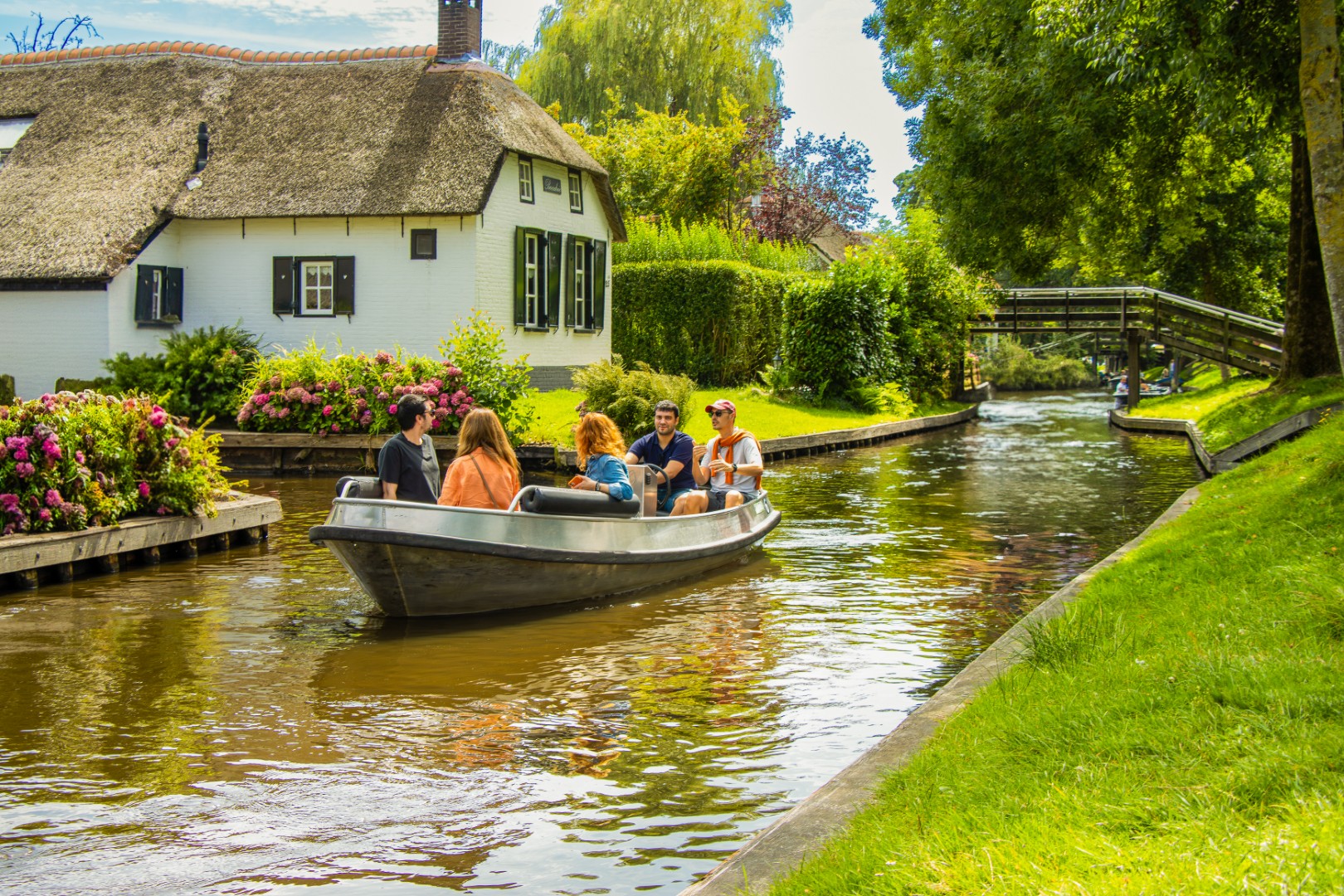
    While the iconic windmills and bustling, bicycle-filled streets of Amsterdam naturally dominate the itinerary of most visitors to the Netherlands, there is a serene waterworld further north that offers an entirely different perspective on Dutch life. Often referred to as the Venice of the North, the idyllic village of Giethoorn stands as a beautiful testament to a life lived in perfect harmony with the water. In this historic settlement, the modern rush of car traffic is completely replaced by the gentle splash of oars and the quiet hum of electric boats. For the weary traveller seeking a complete departure from the noise of contemporary urban existence, a journey to this car-free sanctuary reveals a picture-postcard landscape where nature and human ingenuity have created an exceptionally peaceful way of life.

    The structural layout of the village is a marvel of historical engineering and rustic charm. Founded by settlers in the thirteenth century, the village was shaped by peat mining, which left behind a network of shallow lakes and narrow canals. To connect the various islands of land, residents constructed over one hundred and fifty uniquely designed wooden bridges, which today arch gracefully over the waterways. Exploring the village is a slow, delightful experience that can only be done on foot along the narrow pathways or by navigating the canals in a traditional wooden punt. As you glide beneath the low bridges, the banks are lined with beautifully preserved eighteenth-century thatched-roof cottages, each surrounded by manicured lawns and vibrant, overflowing gardens filled with blue and purple hydrangeas, creating an atmosphere that feels truly timeless.

    Environmental stewardship and a deep appreciation for tranquility are fundamental to the daily routine of the community. Because conventional motorboats are strictly prohibited within the village centre, visitors navigate using whisper-quiet electric boats, ensuring that the natural soundtrack of birdsong and rustling reeds remains undisturbed. This commitment to low-impact exploration allows travellers to observe the local wildlife, including grey herons and elegant swans, at remarkably close quarters. The surrounding Weerribben-Wieden National Park, a vast wetland area of fens and swamp forests, provides an extended playground for those who wish to paddle further into the wilderness, offering a profound sense of isolation and a chance to experience the raw, natural beauty of the Dutch countryside.

    The culinary experiences of the waterways are deeply rooted in the traditions of the region, providing a comforting and authentic taste of local life. After an afternoon spent navigating the labyrinth of canals, visitors can steer their boats alongside the terraces of waterside cafes and restaurants to enjoy classic Dutch hospitality. The local menus celebrate seasonal and regional ingredients, offering hearty plates of traditional pancakes, locally caught freshwater fish, and rich, spiced apple pies served with fresh cream. Sitting outdoors as the late afternoon sun reflects off the water, watching the gentle traffic of boats pass by, provides a wonderfully relaxed setting that encourages long conversations and a slower, more mindful approach to dining.

    Ultimately, a visit to this water-bound village serves as a gentle reminder of the immense value of preservation and simplicity in travel. By stepping away from the standard tourist hubs and embracing a world without cars or frantic schedules, travellers are given the space to truly unwind and appreciate the delicate beauty of a slower lifestyle. The memories gathered along these quiet canals—whether it is the satisfaction of successfully steering a boat under a narrow wooden bridge or the peace of watching the evening mist settle over the thatched roofs—remain as a lasting inspiration. In a world that often prizes speed and constant movement, this quiet corner of Europe stands as a shining example of the rewards that come when we choose to slow down, adjust our pace to the flow of the water, and immerse ourselves in the quiet magic of discovery.

  • Beyond the Familiar Coast: The Timeless Charm of Portugal’s Historic Alentejo

    Beyond the Familiar Coast: The Timeless Charm of Portugal’s Historic Alentejo

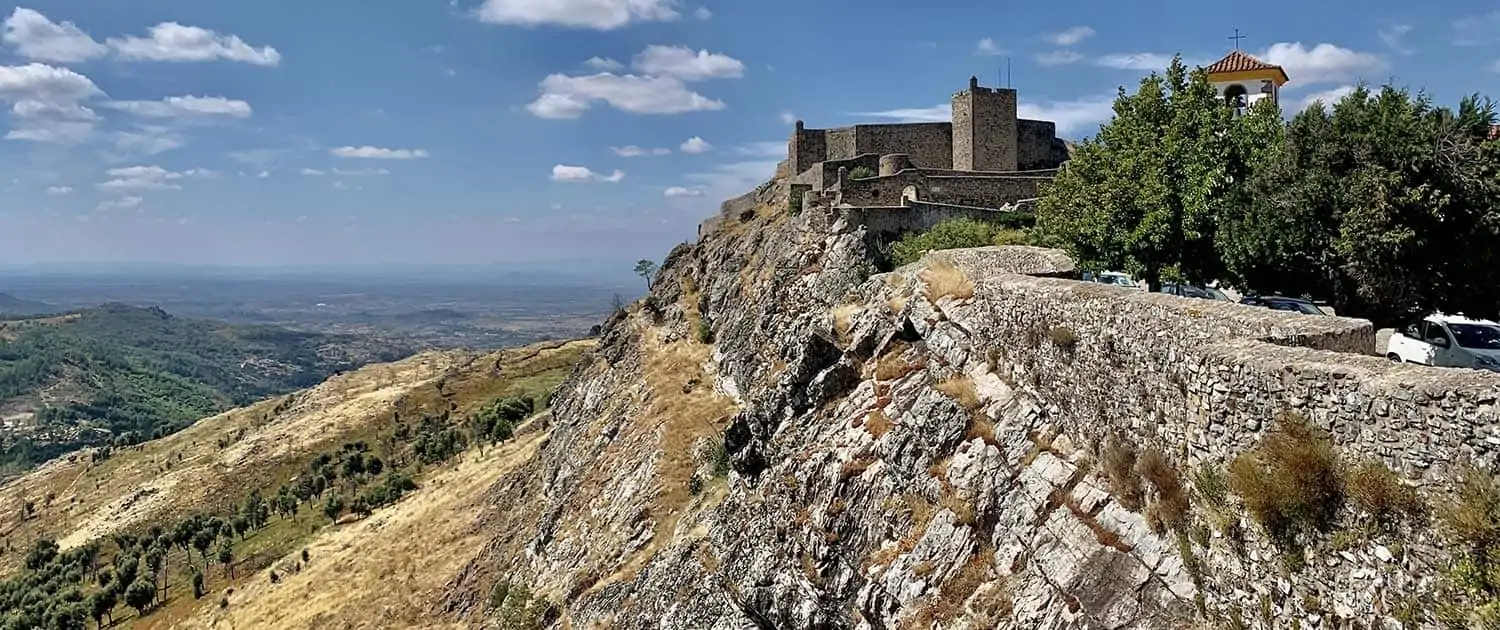
    While the sun-drenched beaches of the Algarve and the vibrant, hilly streets of Lisbon naturally capture the attention of most first-time visitors to Portugal, there is an entire region that remains beautifully suspended in time. Stretching across the golden, sun-baked plains of the rural interior, the Alentejo region offers a compelling alternative for travellers seeking a more profound, deliberate connection with history and nature. This vast area, characterised by undulating landscapes of cork oak forests, ancient olive groves, and whitewashed hilltop villages, is the historic heart of the country’s agricultural heritage. For the mindful explorer, a journey through this quiet landscape reveals a side of Europe where the daily rhythm is still dictated by the sun and the seasons, providing a perfect sanctuary from the frantic pace of modern life.

    The visual narrative of the region is one of understated majesty and architectural romance. As you travel along the quiet, tree-lined roads, the horizon is frequently punctuated by medieval walled towns that rise dramatically from the plains, their white facades gleaming under an intense Iberian sky. Cities like Évora, a designated world heritage site, serve as living museums where Roman ruins, Gothic cathedrals, and Renaissance palaces sit side by side in harmonious proximity. Exploring these historic centres is an exercise in slow discovery, where the best rewards are found by wandering aimlessly through narrow, cobblestone alleyways, stumbling upon shaded courtyards filled with orange trees, and admiring the intricate tilework that adorns ancient doorways. This rich historical tapestry provides an immersive educational experience that encourages visitors to pause and reflect on the diverse cultures that have shaped the Iberian Peninsula over the millennia.

    Sustainability and a deep respect for the natural environment are intrinsic to the local way of life. The region is the world’s largest producer of natural cork, a sustainable industry where the bark of the cork oak trees is harvested by hand once every nine years, leaving the trees entirely unharmed to continue absorbing carbon dioxide. Walking or cycling through these ancient groves, known locally as montados, offers a peaceful encounter with a highly biodiverse ecosystem that supports rare bird species and wild flora. Because the communities here have long understood the value of preservation, large-scale commercial resorts are virtually non-existent. Instead, traditional whitewashed farmhouses, or quintas, have been elegantly converted into eco-lodges that place a heavy emphasis on solar energy, water conservation, and low-impact hospitality, allowing guests to enjoy modern comforts while remaining fully aligned with ecological principles.

    The culinary traditions of the plains are equally remarkable, offering a celebrate-what-is-local philosophy that predates the modern farm-to-table movement by centuries. The local cooking is a masterclass in culinary resourcefulness, turning humble, high-quality ingredients into profoundly comforting and flavourful dishes. Visitors can spend their evenings in rustic, family-run taverns, sampling traditional bread-based soups infused with garlic and fresh coriander, slow-cooked Iberian pork, and artisanal cheeses made from sheep’s milk. This gastronomic journey is perfectly complemented by the region’s exceptional wine culture, where full-bodied reds and crisp whites are still aged in massive clay amphorae using methods introduced by the Romans. This dedication to culinary provenance ensures that every meal is an authentic celebration of the land, supporting local producers and keeping ancient heritage alive.

    Ultimately, a journey into this quiet interior reminds us that the most memorable travel experiences are often found away from the crowded viewpoints and famous monuments. By choosing to explore the open plains and historic villages of the Alentejo, travellers gain access to a world of genuine warmth, cultural richness, and natural beauty. The memories forged in these sun-drenched spaces—whether it is the quiet grandeur of a star-filled night sky over an ancient castle or the shared conversation with a local artisan—serve as a lasting reminder of the beauty of simplicity. In a world that often demands constant speed, this timeless corner of Western Europe stands as a beautiful testament to the rewards of slowing down, looking closer, and embracing the true essence of exploration.

  • The Whispering Valleys of Piedmont: Europe’s Best Kept Mountain Secret

    The Whispering Valleys of Piedmont: Europe’s Best Kept Mountain Secret

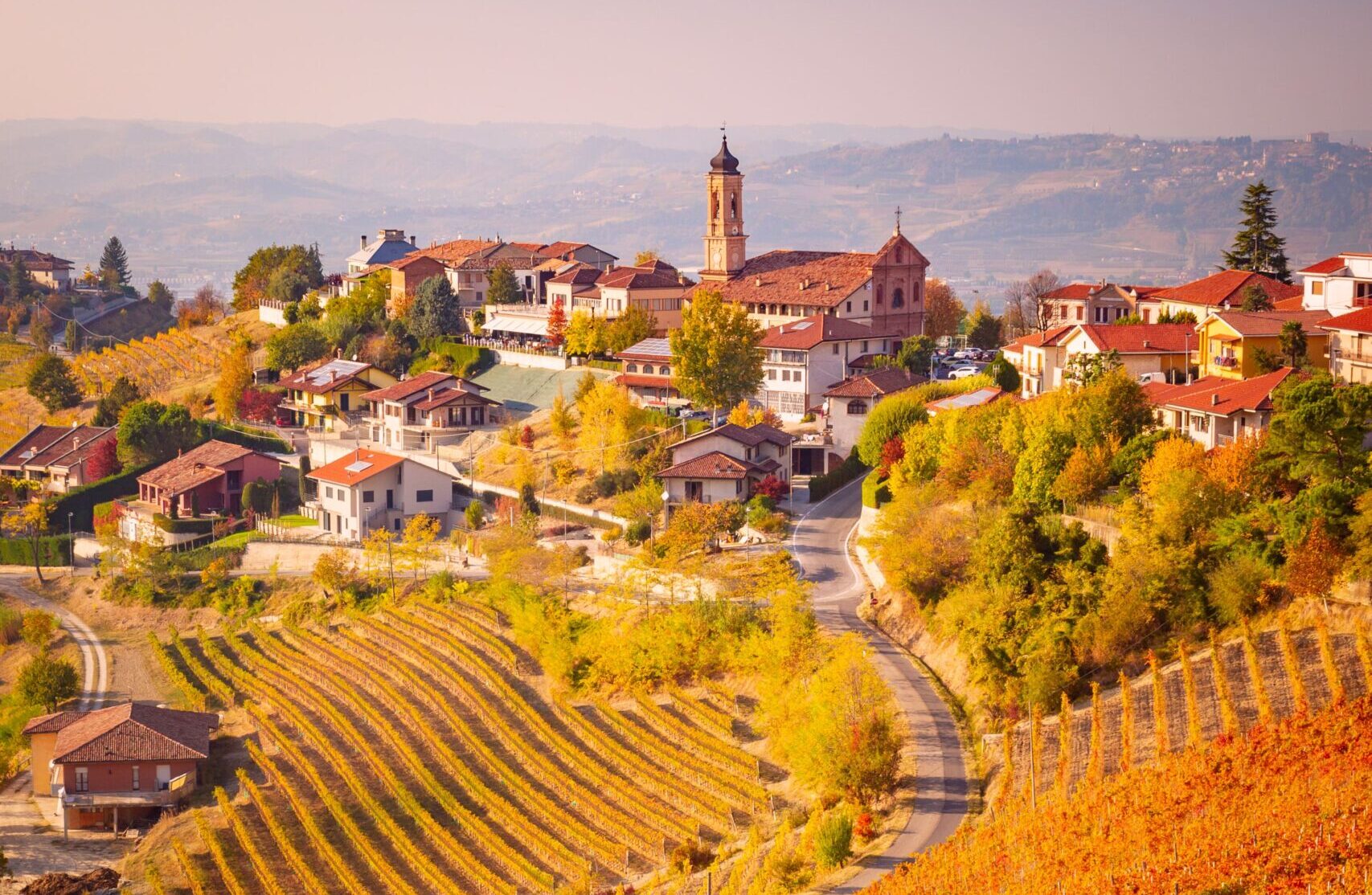
    The hidden valleys of the Italian Alps offer an escape that feels entirely untouched by the relentless pace of modern tourism. While the dramatic jagged peaks of the Dolomites rightly draw millions of visitors each year, those in search of quiet introspection and untamed alpine beauty are increasingly turning their eyes westward toward the Piedmont region. Here, tucked away near the French border, lies the Val Maira—a secluded paradise that has quietly become Europe’s premier destination for sustainable, slow-paced mountain travel. Free from the high-rise hotels, noisy ski lifts, and crowded viewing platforms that characterise many commercialised alpine resorts, this valley offers a rare glimpse into a traditional mountain lifestyle that has remained largely unchanged for generations.

    The decision to visit an underestimated destination like the Val Maira is a conscious choice to trade passive sightseeing for active, meaningful connection with the landscape. The valley boasts an intricate network of ancient paths, originally carved out by merchants, shepherds, and smugglers over the centuries. Today, these trails serve as a pristine playground for hikers and trail runners, winding through dense larch forests, past hidden emerald lakes, and across high-altitude meadows bursting with wild orchids and gentians. Because the region has rejected large-scale commercial development, a walk through these mountains is a remarkably peaceful experience, where the only soundtrack is the whistling of marmots and the distant chime of cowbells. This immersive environment allows travellers to disconnect from their digital routines and rediscover the simple, profound joy of moving through nature at their own pace.

    Cultural preservation is woven into the very fabric of the valley’s hospitality. The region is the historic home of the Occitan culture, a distinct linguistic and cultural minority that spans parts of Italy, France, and Spain. Rather than presenting this heritage as a static museum display, the residents of the valley live it every day, preserving their unique dialect, traditional music, and architectural styles. Many of the ancient stone and wood hamlets that dot the hillsides have been thoughtfully restored into eco-friendly alpine lodges and family-run guesthouses. Staying in these properties provides an authentic window into local life, where the hosts greet guests with genuine warmth and share personal stories about the history of their ancestral homes, fostering a deep sense of mutual respect and community between travellers and locals.

    The culinary landscape of the region is another compelling reason to explore its hidden paths, offering a robust gastronomic tradition that celebrates simplicity and seasonal provenance. Venetian and Tuscan cuisines may dominate global food conversations, but the mountain cooking of Piedmont is a revelation of rich, comforting flavours designed to sustain weary travellers. After a long day on the trails, hikers are welcomed into rustic stone taverns to savour dishes like handmade potato gnocchi tossed with local Castelmagno cheese, slow-cooked wild boar ragù, and tarts filled with mountain berries. This emphasis on zero-kilometre dining ensures that the economic benefits of tourism flow directly to local farmers, cheesemakers, and foragers, reinforcing a sustainable economic model that protects the valley’s resources while celebrating its rich heritage.

    Ultimately, a journey into these quiet alpine valleys reminds us of the true purpose of travel: to expand our horizons, refresh our spirits, and learn from the places we visit. By stepping off the beaten path and embracing a slower, more mindful style of exploration, we gain a deeper appreciation for the delicate balance between humanity and the natural world. The memories gathered in these peaceful spaces—whether it is the sight of the morning mist rising off a high ridge or the shared laughter over a hearty mountain meal—remain long after the holiday has ended. In a world that often moves too fast, the untouched corners of the Alps stand as a beautiful reminder that the most rewarding journeys are often the ones that lead us back to the essentials of nature, community, and quiet discovery.