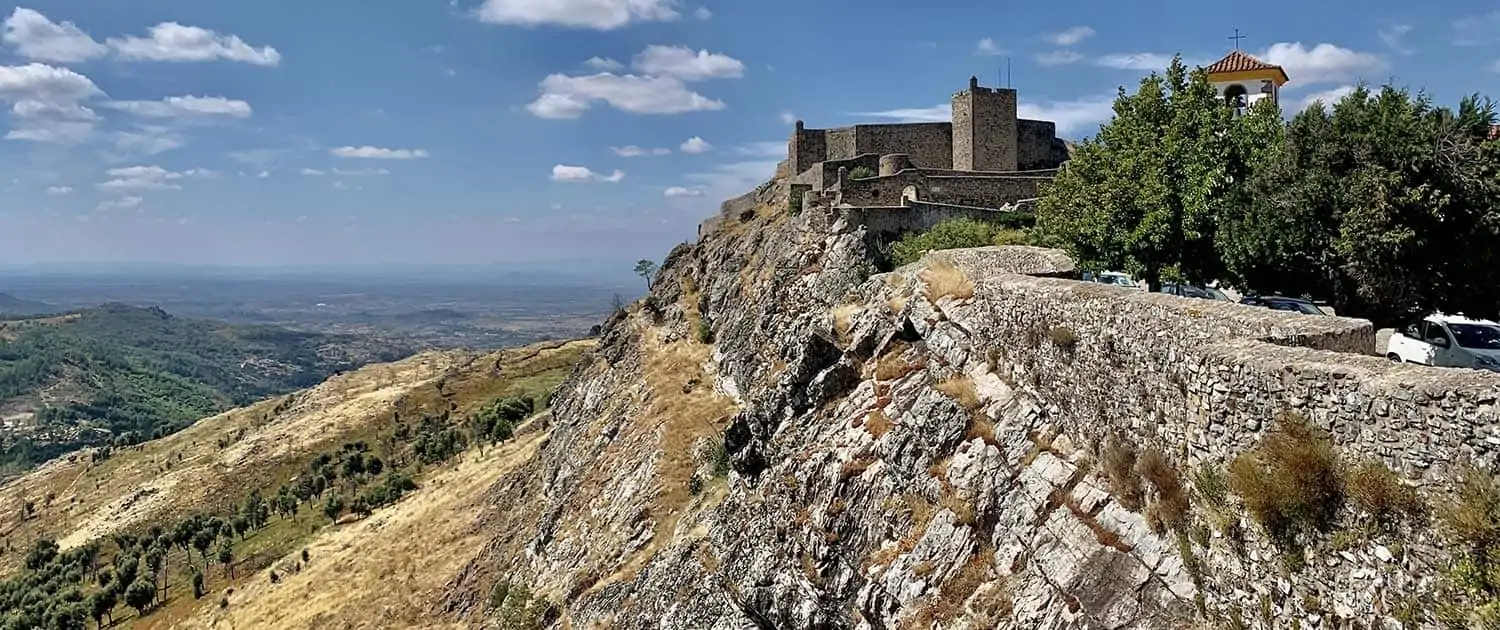
While the sun-drenched beaches of the Algarve and the vibrant, hilly streets of Lisbon naturally capture the attention of most first-time visitors to Portugal, there is an entire region that remains beautifully suspended in time. Stretching across the golden, sun-baked plains of the rural interior, the Alentejo region offers a compelling alternative for travellers seeking a more profound, deliberate connection with history and nature. This vast area, characterised by undulating landscapes of cork oak forests, ancient olive groves, and whitewashed hilltop villages, is the historic heart of the country’s agricultural heritage. For the mindful explorer, a journey through this quiet landscape reveals a side of Europe where the daily rhythm is still dictated by the sun and the seasons, providing a perfect sanctuary from the frantic pace of modern life.
The visual narrative of the region is one of understated majesty and architectural romance. As you travel along the quiet, tree-lined roads, the horizon is frequently punctuated by medieval walled towns that rise dramatically from the plains, their white facades gleaming under an intense Iberian sky. Cities like Évora, a designated world heritage site, serve as living museums where Roman ruins, Gothic cathedrals, and Renaissance palaces sit side by side in harmonious proximity. Exploring these historic centres is an exercise in slow discovery, where the best rewards are found by wandering aimlessly through narrow, cobblestone alleyways, stumbling upon shaded courtyards filled with orange trees, and admiring the intricate tilework that adorns ancient doorways. This rich historical tapestry provides an immersive educational experience that encourages visitors to pause and reflect on the diverse cultures that have shaped the Iberian Peninsula over the millennia.
Sustainability and a deep respect for the natural environment are intrinsic to the local way of life. The region is the world’s largest producer of natural cork, a sustainable industry where the bark of the cork oak trees is harvested by hand once every nine years, leaving the trees entirely unharmed to continue absorbing carbon dioxide. Walking or cycling through these ancient groves, known locally as montados, offers a peaceful encounter with a highly biodiverse ecosystem that supports rare bird species and wild flora. Because the communities here have long understood the value of preservation, large-scale commercial resorts are virtually non-existent. Instead, traditional whitewashed farmhouses, or quintas, have been elegantly converted into eco-lodges that place a heavy emphasis on solar energy, water conservation, and low-impact hospitality, allowing guests to enjoy modern comforts while remaining fully aligned with ecological principles.
The culinary traditions of the plains are equally remarkable, offering a celebrate-what-is-local philosophy that predates the modern farm-to-table movement by centuries. The local cooking is a masterclass in culinary resourcefulness, turning humble, high-quality ingredients into profoundly comforting and flavourful dishes. Visitors can spend their evenings in rustic, family-run taverns, sampling traditional bread-based soups infused with garlic and fresh coriander, slow-cooked Iberian pork, and artisanal cheeses made from sheep’s milk. This gastronomic journey is perfectly complemented by the region’s exceptional wine culture, where full-bodied reds and crisp whites are still aged in massive clay amphorae using methods introduced by the Romans. This dedication to culinary provenance ensures that every meal is an authentic celebration of the land, supporting local producers and keeping ancient heritage alive.
Ultimately, a journey into this quiet interior reminds us that the most memorable travel experiences are often found away from the crowded viewpoints and famous monuments. By choosing to explore the open plains and historic villages of the Alentejo, travellers gain access to a world of genuine warmth, cultural richness, and natural beauty. The memories forged in these sun-drenched spaces—whether it is the quiet grandeur of a star-filled night sky over an ancient castle or the shared conversation with a local artisan—serve as a lasting reminder of the beauty of simplicity. In a world that often demands constant speed, this timeless corner of Western Europe stands as a beautiful testament to the rewards of slowing down, looking closer, and embracing the true essence of exploration.