While the iconic windmills and bustling, bicycle-filled streets of Amsterdam naturally dominate the itinerary of most visitors to the Netherlands, there is a serene waterworld further north that offers an entirely different perspective on Dutch life. Often referred to as the Venice of the North, the idyllic village of Giethoorn stands as a beautiful testament to a life lived in perfect harmony with the water. In this historic settlement, the modern rush of car traffic is completely replaced by the gentle splash of oars and the quiet hum of electric boats. For the weary traveller seeking a complete departure from the noise of contemporary urban existence, a journey to this car-free sanctuary reveals a picture-postcard landscape where nature and human ingenuity have created an exceptionally peaceful way of life.
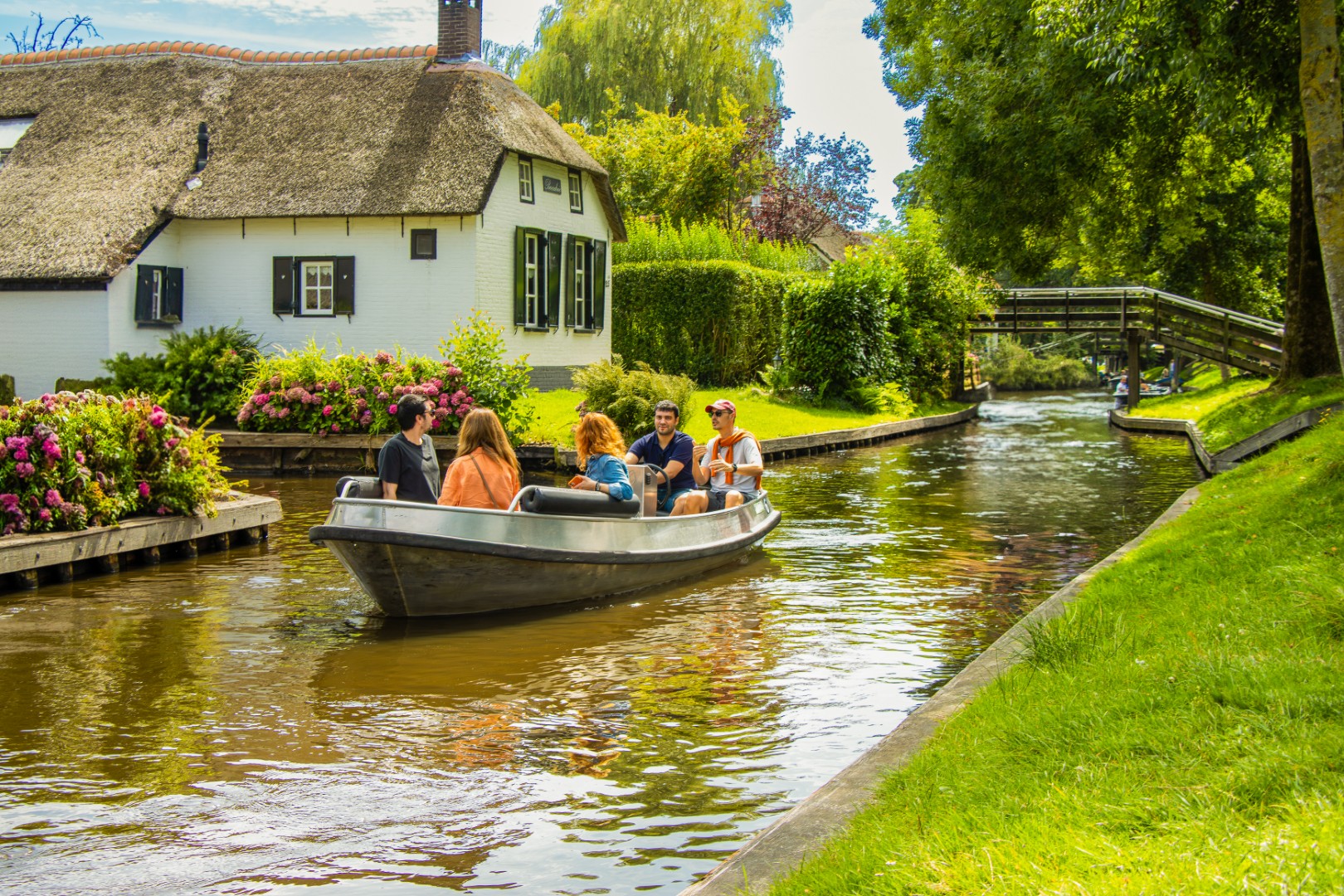
The structural layout of the village is a marvel of historical engineering and rustic charm. Founded by settlers in the thirteenth century, the village was shaped by peat mining, which left behind a network of shallow lakes and narrow canals. To connect the various islands of land, residents constructed over one hundred and fifty uniquely designed wooden bridges, which today arch gracefully over the waterways. Exploring the village is a slow, delightful experience that can only be done on foot along the narrow pathways or by navigating the canals in a traditional wooden punt. As you glide beneath the low bridges, the banks are lined with beautifully preserved eighteenth-century thatched-roof cottages, each surrounded by manicured lawns and vibrant, overflowing gardens filled with blue and purple hydrangeas, creating an atmosphere that feels truly timeless.
Environmental stewardship and a deep appreciation for tranquility are fundamental to the daily routine of the community. Because conventional motorboats are strictly prohibited within the village centre, visitors navigate using whisper-quiet electric boats, ensuring that the natural soundtrack of birdsong and rustling reeds remains undisturbed. This commitment to low-impact exploration allows travellers to observe the local wildlife, including grey herons and elegant swans, at remarkably close quarters. The surrounding Weerribben-Wieden National Park, a vast wetland area of fens and swamp forests, provides an extended playground for those who wish to paddle further into the wilderness, offering a profound sense of isolation and a chance to experience the raw, natural beauty of the Dutch countryside.
The culinary experiences of the waterways are deeply rooted in the traditions of the region, providing a comforting and authentic taste of local life. After an afternoon spent navigating the labyrinth of canals, visitors can steer their boats alongside the terraces of waterside cafes and restaurants to enjoy classic Dutch hospitality. The local menus celebrate seasonal and regional ingredients, offering hearty plates of traditional pancakes, locally caught freshwater fish, and rich, spiced apple pies served with fresh cream. Sitting outdoors as the late afternoon sun reflects off the water, watching the gentle traffic of boats pass by, provides a wonderfully relaxed setting that encourages long conversations and a slower, more mindful approach to dining.
Ultimately, a visit to this water-bound village serves as a gentle reminder of the immense value of preservation and simplicity in travel. By stepping away from the standard tourist hubs and embracing a world without cars or frantic schedules, travellers are given the space to truly unwind and appreciate the delicate beauty of a slower lifestyle. The memories gathered along these quiet canals—whether it is the satisfaction of successfully steering a boat under a narrow wooden bridge or the peace of watching the evening mist settle over the thatched roofs—remain as a lasting inspiration. In a world that often prizes speed and constant movement, this quiet corner of Europe stands as a shining example of the rewards that come when we choose to slow down, adjust our pace to the flow of the water, and immerse ourselves in the quiet magic of discovery.