While the neon-lit skyscrapers of Tokyo and the historic geisha districts of Kyoto naturally form the backbone of most travel itineraries, there is a sacred mountain plateau in Wakayama Prefecture that offers a profound shift in perspective. Situated high above the clouds, surrounded by eight majestic mountain peaks that resemble the petals of a lotus flower, Mount Koya stands as the spiritual heart of Shingon Buddhism. Founded in the ninth century by the revered monk Kobo Daishi, this secluded settlement has served as a sanctuary for monks and pilgrims for over a millennium. For the modern traveller seeking a departure from the sensory overload of contemporary life, a journey up the winding mountain railway reveals a world where ancient cedar trees, chanting voices, and a deep reverence for silence create an exceptionally peaceful environment for personal reflection.
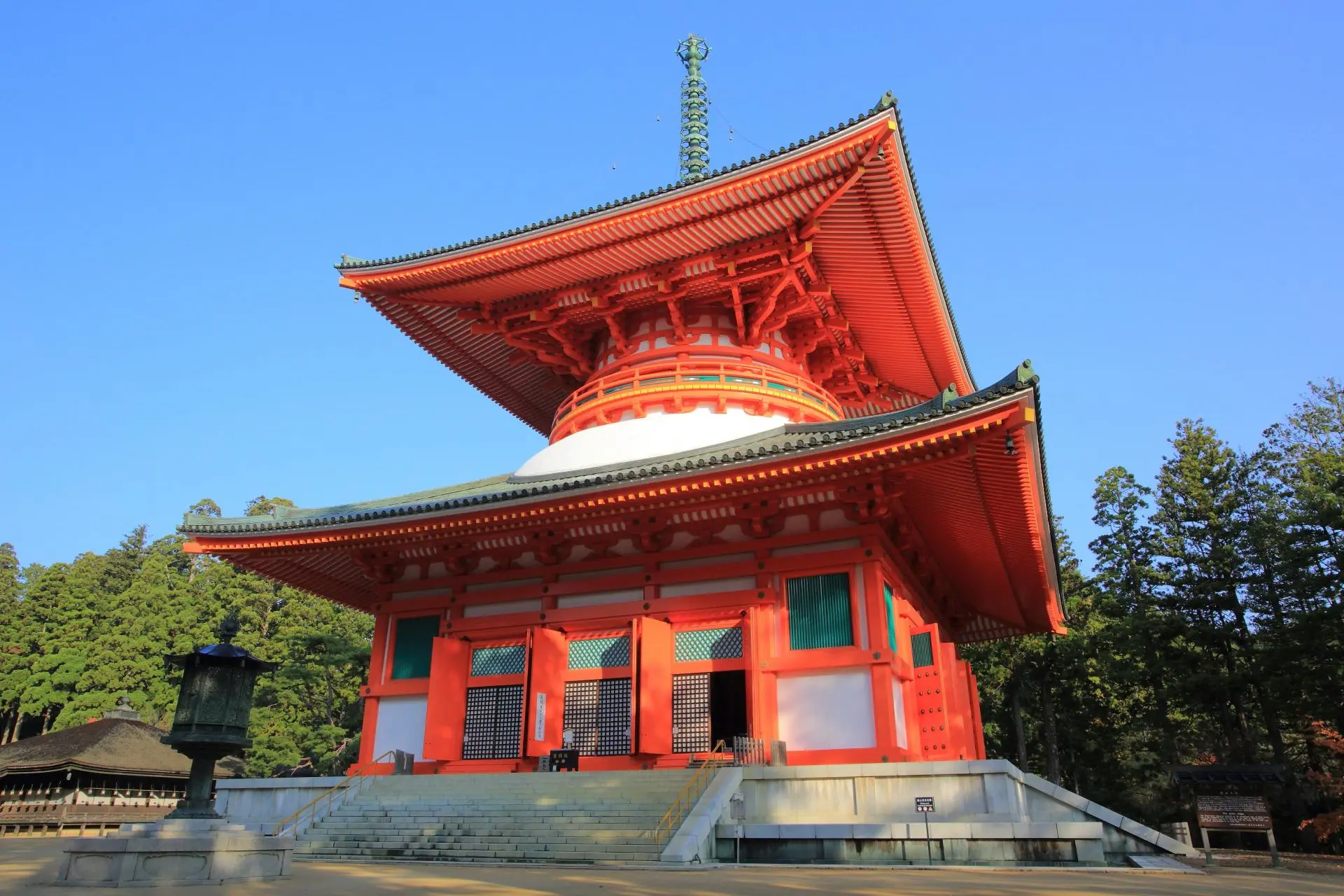
The architectural and natural narrative of the plateau is dominated by the extraordinary interplay between human devotion and primeval nature. At the western edge of the town lies the Danjo Garan, a central temple complex filled with striking vermilion pagodas and historic halls that serve as the focal point for monastic training. However, the true emotional epicentre of the mountain is the Okunoin Cemetery, the largest graveyard in Japan, where more than two hundred thousand stone stupas and monuments are moss-grown beneath a canopy of towering, centuries-old cedar trees. Walking along the two-kilometre stone path that leads to the mausoleum of Kobo Daishi is a deeply moving experience, especially in the early evening when hundreds of stone lanterns flicker into life, casting a soft, ethereal glow over the ancient landscape and encouraging a meditative pace of exploration.
Cultural immersion on the mountain is uniquely defined by the tradition of shukubo, where active Buddhist temples open their doors to passing travellers. Rather than staying in conventional hotels, visitors reside in beautifully preserved wooden temples, sleeping on traditional tatami mats and waking at dawn to witness the morning prayers and fire ceremonies conducted by the resident monks. This intimate style of hospitality provides a rare window into a lifestyle dedicated to mindfulness and discipline. Participating in these rituals requires no prior religious background, as the welcoming atmosphere emphasizes shared human values and the universal pursuit of inner peace, allowing guests to experience a sense of genuine connection that is often missing from standard tourist interactions.
The culinary journey of the highlands is equally distinct, defined by the strict vegetarian philosophy of shojin ryori, or devotion cuisine. Prepared in accordance with Buddhist principles, this style of cooking avoids the use of meat, fish, onion, or garlic, focusing instead on bringing out the natural, seasonal flavours of wild mountain vegetables, seaweed, and soy products. Guests are served multi-course meals presented on elegant lacquer trays, featuring delicate specialties like sesame tofu and freeze-dried tofu prepared using methods that have been refined over hundreds of years. This mindful approach to dining encourages travellers to slow down and appreciate the presentation, texture, and origin of every bite, reinforcing the idea that nourishing the body is an extension of spiritual practice.
Ultimately, a journey to this sacred mountain plateau serves as a powerful reminder of the value of quietude and historical continuity in travel. By intentionally stepping away from the fast-paced modern hubs and adapting to the quiet rhythms of monastic life, visitors are given the rare opportunity to look inward and recharge their spirits. The memories gathered among the whispering cedars—whether it is the resonance of a massive temple bell echoing through the mountain mist or the warmth of a shared cup of green tea in a temple courtyard—remain as a lasting source of calm. In a world that often demands constant productivity and speed, this timeless alpine sanctuary stands as a beautiful testament to the enduring human need for silence, community, and sacred space.