The hidden valleys of the Italian Alps offer an escape that feels entirely untouched by the relentless pace of modern tourism. While the dramatic jagged peaks of the Dolomites rightly draw millions of visitors each year, those in search of quiet introspection and untamed alpine beauty are increasingly turning their eyes westward toward the Piedmont region. Here, tucked away near the French border, lies the Val Maira—a secluded paradise that has quietly become Europe’s premier destination for sustainable, slow-paced mountain travel. Free from the high-rise hotels, noisy ski lifts, and crowded viewing platforms that characterise many commercialised alpine resorts, this valley offers a rare glimpse into a traditional mountain lifestyle that has remained largely unchanged for generations.
The decision to visit an underestimated destination like the Val Maira is a conscious choice to trade passive sightseeing for active, meaningful connection with the landscape. The valley boasts an intricate network of ancient paths, originally carved out by merchants, shepherds, and smugglers over the centuries. Today, these trails serve as a pristine playground for hikers and trail runners, winding through dense larch forests, past hidden emerald lakes, and across high-altitude meadows bursting with wild orchids and gentians. Because the region has rejected large-scale commercial development, a walk through these mountains is a remarkably peaceful experience, where the only soundtrack is the whistling of marmots and the distant chime of cowbells. This immersive environment allows travellers to disconnect from their digital routines and rediscover the simple, profound joy of moving through nature at their own pace.
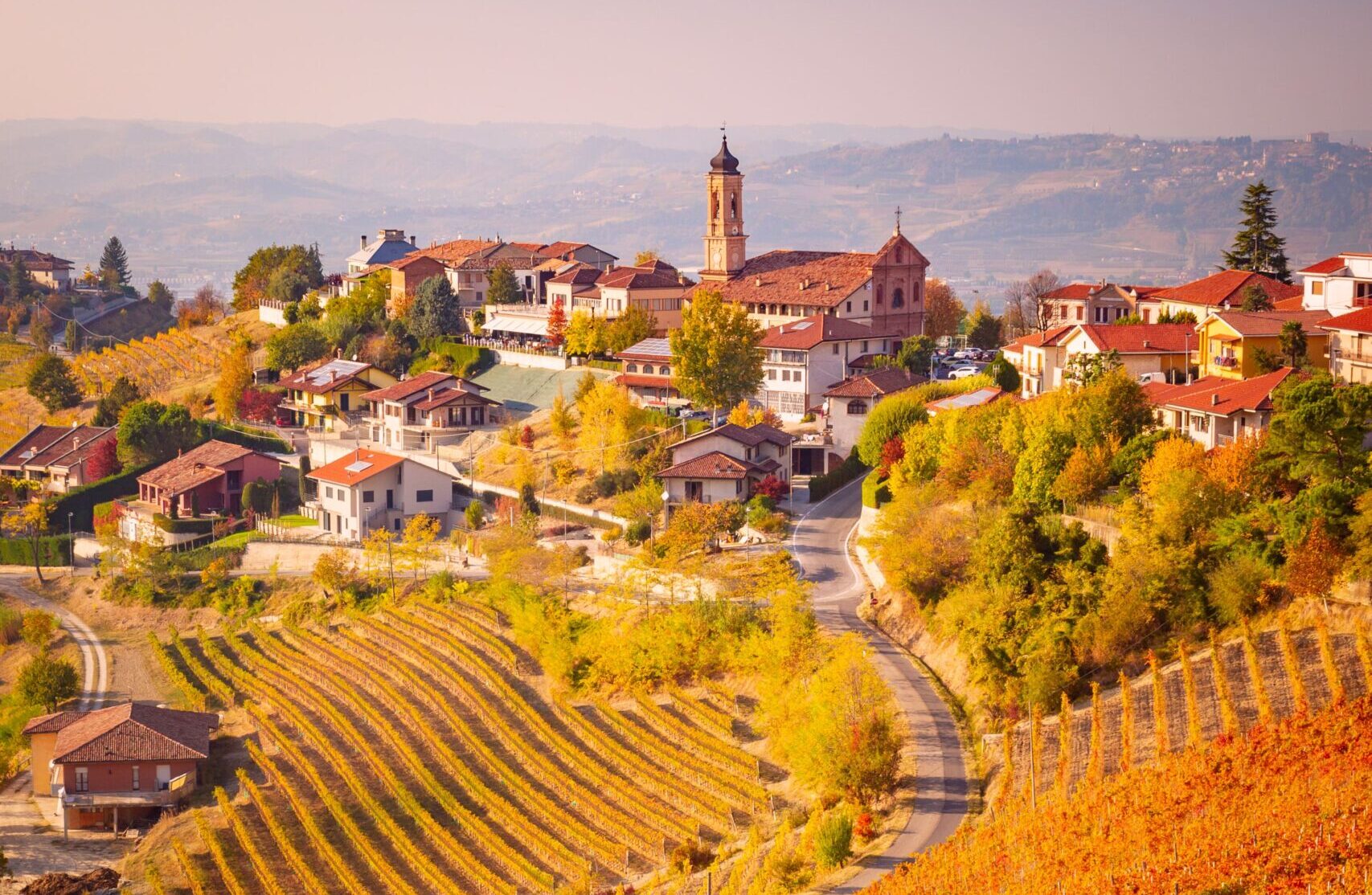
Cultural preservation is woven into the very fabric of the valley’s hospitality. The region is the historic home of the Occitan culture, a distinct linguistic and cultural minority that spans parts of Italy, France, and Spain. Rather than presenting this heritage as a static museum display, the residents of the valley live it every day, preserving their unique dialect, traditional music, and architectural styles. Many of the ancient stone and wood hamlets that dot the hillsides have been thoughtfully restored into eco-friendly alpine lodges and family-run guesthouses. Staying in these properties provides an authentic window into local life, where the hosts greet guests with genuine warmth and share personal stories about the history of their ancestral homes, fostering a deep sense of mutual respect and community between travellers and locals.
The culinary landscape of the region is another compelling reason to explore its hidden paths, offering a robust gastronomic tradition that celebrates simplicity and seasonal provenance. Venetian and Tuscan cuisines may dominate global food conversations, but the mountain cooking of Piedmont is a revelation of rich, comforting flavours designed to sustain weary travellers. After a long day on the trails, hikers are welcomed into rustic stone taverns to savour dishes like handmade potato gnocchi tossed with local Castelmagno cheese, slow-cooked wild boar ragù, and tarts filled with mountain berries. This emphasis on zero-kilometre dining ensures that the economic benefits of tourism flow directly to local farmers, cheesemakers, and foragers, reinforcing a sustainable economic model that protects the valley’s resources while celebrating its rich heritage.
Ultimately, a journey into these quiet alpine valleys reminds us of the true purpose of travel: to expand our horizons, refresh our spirits, and learn from the places we visit. By stepping off the beaten path and embracing a slower, more mindful style of exploration, we gain a deeper appreciation for the delicate balance between humanity and the natural world. The memories gathered in these peaceful spaces—whether it is the sight of the morning mist rising off a high ridge or the shared laughter over a hearty mountain meal—remain long after the holiday has ended. In a world that often moves too fast, the untouched corners of the Alps stand as a beautiful reminder that the most rewarding journeys are often the ones that lead us back to the essentials of nature, community, and quiet discovery.